

Jesus’ second coming
October 8, 2026It was a very unusual choice: the wedding or the prophet?
It wasn’t my wedding, and I didn’t know who the prophet was. Ruben, my neighbour and best friend in Cana, decided to marry an amazing young woman from a village on the shore of the Sea of Galilee. He viewed me as his ‘go-to man’, a real help, reminding him of the blessing of my name: Nathanael, ‘the gift of God’. Who could be his best man, knowing all things needed and having connections in all the villages around? Being his lifetime event, of course I had to be there. My mother said it could be my opportunity to find a wife among the many girls coming over!
About the same time I learned of something unique. I mean, really unheard of.
Philip, a friend from the bride’s village, told me of a prophet preaching down south, in Judea. Just think of it: we had never heard the voice of a prophet in our lifetime. In fact, some old folk told us no prophet had served in Israel for the last four hundred years. Four hundred years! An avid reader of Scripture, I didn’t want to miss the opportunity to listen to a man of God.
When Philip came over with a bunch of other friends, all fishermen, I felt the weight of a choice. They were nice guys, ready for the adventure of a spiritual journey to Judea. But rushing in. And when I told them about my commitment to Ruben’s wedding — ‘and finding a future wife’, Philip chimed in — one of the guys joked that ‘the seer’ they aimed to meet would open my eyes too: wouldn’t it be wiser to let the prophet make a prediction first? To prioritise the spiritual advice.
I felt he had a point: go there, ask the prophet, and come back dead sure about my bride-to-be! I promised myself I would go with them and come back with Philip just in time for the final preparations of the wedding. Little did I know that on our return we would see the saving of that wedding.

The Voice in the wilderness
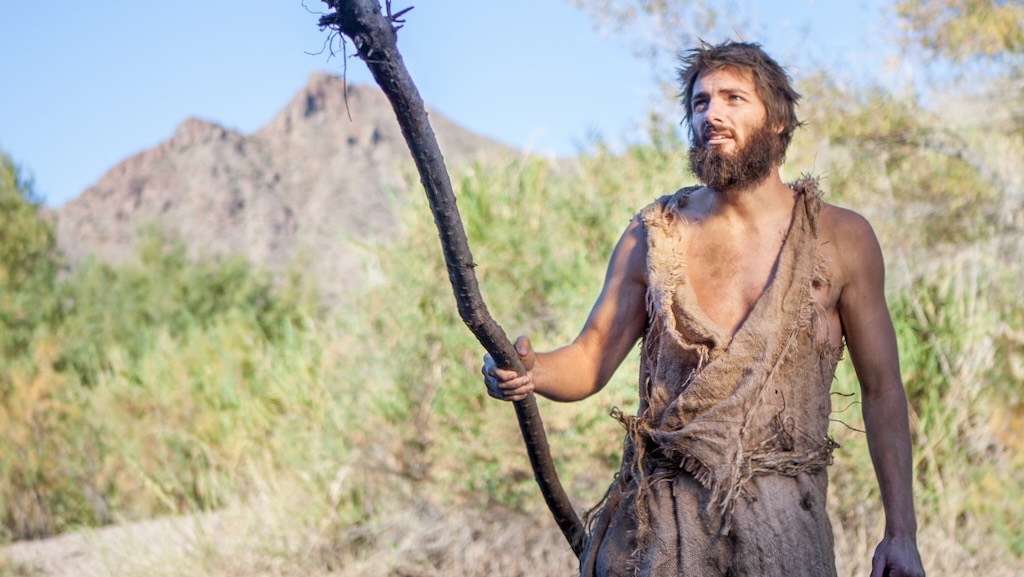
His father was a priest, but the young man, probably in his thirties, never served the sanctuary as everyone expected. Instead he became a preacher. Named John, he came to the bank of the River Jordan with a strong message, preaching a baptism of repentance for the forgiveness of sins. Soon people called him the Baptist, as he openly performed the rite we typically reserved for pagans converting to our faith.
What was strange about John was that he required baptism of repentance from us, Jews. Well, some of us were indeed coming from Galilee, not quite the most spiritually enlightened part of Israel. But he asked the same even from those revered as religious leaders in Jerusalem.
People from all over came down to the Jordan, listened to the preacher, and answered his appeals. It didn’t matter if they were simple countrymen or noble city people, tax collectors or prostitutes. Even some Roman soldiers, yes, the mercenaries, turned up. It was a scene no one could believe, a real revival, hundreds upon hundreds. Day after day!
I began to see why, in their eyes, he was more than a teacher. His messages carried prophetic authority, left no room for compromise, and asked for a change of heart. He spoke from Scripture — some said he could recite the book of Isaiah by heart. He answered so many questions. What was absolutely amazing was that he preached about the imminent coming of the Messiah, ushering in the kingdom of God. I thought I’d better rush in, waiting for a moment to privately ask him about my future wife!
My friends and I got closer to the preacher. A few days later we were baptised, in a solemn and yet exciting experience. Simon was first, followed by his brother Andrew. I was next, joining Philip and another friend, a very young guy also named John, just like the prophet. It all felt spellbinding: during the day we listened to the Baptist; at sunset we would come to a grove and camp, reflecting on his words, dreaming of prophetic times, as if we were the generation living through something like no other! We asked: ‘What if the Messiah comes while we’re here?’ We decided to stay a few more days. Trading anyone’s wedding for the appearance of the Messiah became tempting.
Messiah in your midst
One day, though, the preacher opened a new chapter of his ministry. It seemed that more and more people had begun to think he might be the Messiah himself. So the religious leaders in Jerusalem sent envoys to interrogate him. Basically asking who he claimed to be.
‘I am not the Messiah’, he told them, keeping them on hold.
‘Then who are you? Elijah? The Prophet?’ Each time, John said simply: ‘no’.
‘What do you say about yourself?’ So he answered in the words of Isaiah: ‘I am the voice of one calling in the wilderness: “Make straight the way for the Lord.” ’
‘Then why do you baptise, if you’re none of these?’
‘I baptise with water’, John replied, ‘but among you stands one you do not know. He is the one coming. I am only a servant, not worthy to untie the strap of his sandal.’
That caught all of us by surprise! It meant the Messiah was much closer to us than we thought. Prophets of old had spoken of his coming, and now the Baptist said it without a doubt, He stands among you!
Everyone looked around. No shining glory on anyone in the crowd, no royal procession, no heralds, no priests or Levites opening the way. Was the Baptist wrong? Philip suggested to me that perhaps he was speaking in riddles.
The Lamb of God
John kept baptising more people coming in, but we watched closely to see if he would finally bow to one greater than him. The very next day he pointed to someone:
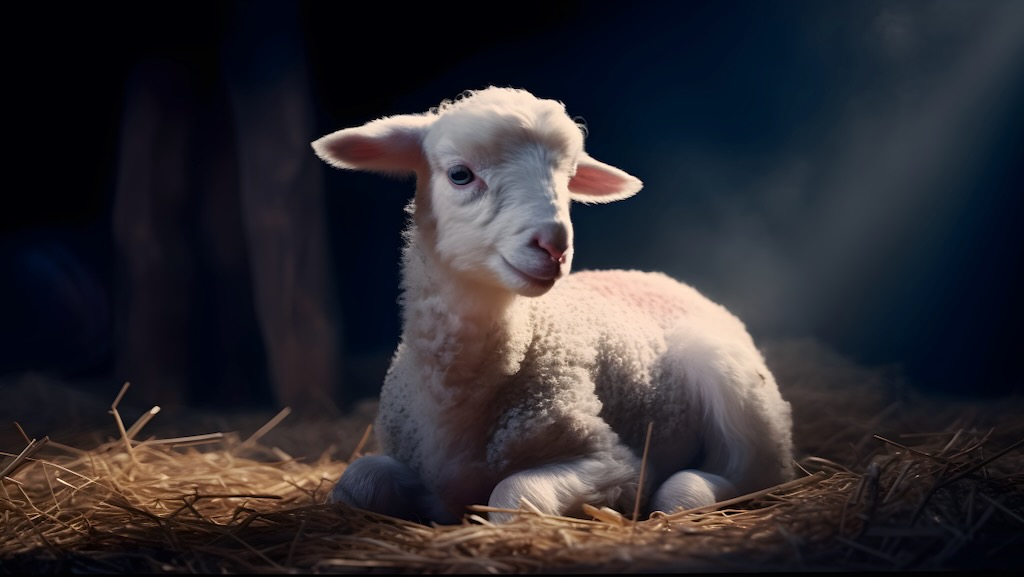
‘Look, the Lamb of God, who takes away the sin of the world! This is the one I meant when I said, “A man who comes after me has surpassed me because he was before me.” I myself did not know him, but the reason I came baptising with water was that he might be revealed to Israel.’
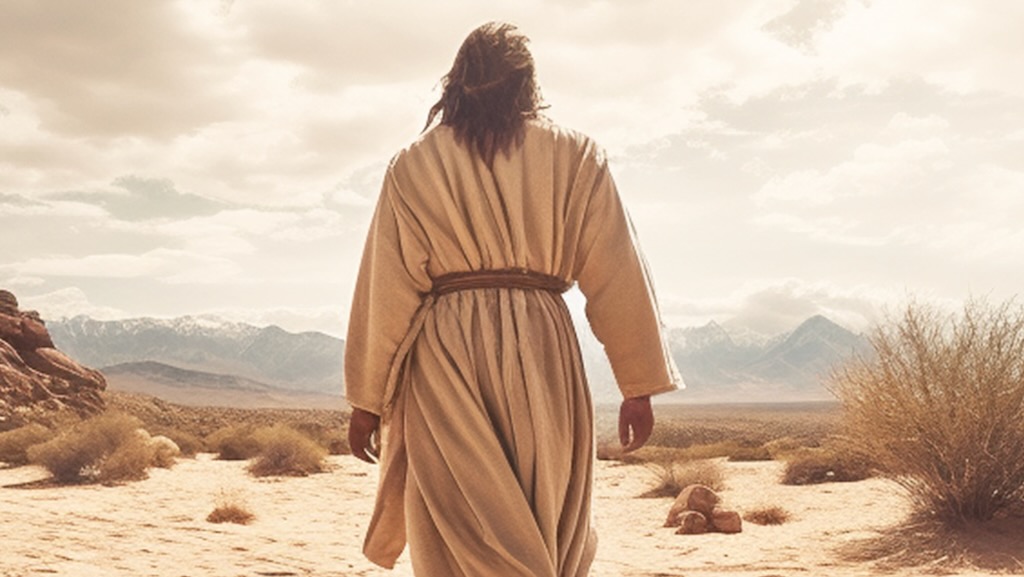
To our dismay, once again we looked and could not discern anything spectacular. A man, probably the Baptist’s age, dressed and moving like anyone else in the crowd. No show of power. No accompanying angels. Not even taller than most. I must admit, I was a bit far back, seeing him only from behind. He seemed driven, purposeful. Yet he walked alone, making no apparent acknowledgment of John’s words.
We learned he had been unknown even to John, until recently. That evening, at the fireplace, we invited the Baptist to sit with us, and he told us what had happened some forty days or more earlier, before we had arrived. John had baptised this man, following a revelation from God:
‘I saw the Spirit come down from heaven as a dove and remain on him. And I myself did not know him, but the one who sent me to baptise with water told me, “The man on whom you see the Spirit come down and remain is the one who will baptise with the Holy Spirit.” I have seen and I testify that this is God’s Chosen One.’
The prophet then shared something no one else knew: when baptising him, he had heard a voice from heaven talking to this man: ‘You are my Son, whom I love; with you I am well pleased.’
Loud during the day, quiet in the night, the Baptist retreated, leaving us wondering even more.
Baptise with the Holy Spirit? No one knew what he meant. Lamb of God? Quite confusing. The lamb we knew was the one killed at Passover. Son of God? Close to blasphemy.
Something didn’t add up.
Andrew recalled some stories about other men who had claimed to be Someone: one rallied hundreds, just like the Baptist, but was soon killed by the Romans; his followers, the Theudites, were scattered. Another, Judas, had risen from our own Galilee, when our parents were younger. People believed him too, until his movement turned into open revolt against Rome. He also was killed;his followers scattered like the rest.
A shiver ran down my spine. John the younger voiced my own thoughts: ‘What if we are about to follow one just like them?’ Philip confirmed our fears: ‘We had come this way for God’s word, not to shed our own blood in a revolution.’ He looked at me: ‘Man, we’re not fanatics!’
Simon decided for us all: ‘Whenever the Baptist mentions anything more about this man, whichever of us happens to be nearby should go and follow. To ask for more, to see for our-selves.’ I fully agreed. Time was pressing on some of us.
I don’t remember dreaming anything that night. In the morning I decided I should pay closer attention to every word about this stranger. What started as a genuine revival seemed to transform itself into a mystery to be solved.
Unfortunately, that day it was my turn to go to Jericho, the nearest town, and buy the food for our little group. We only had a few days left before Philip and I needed to be back on the dusty roads to Cana, for the wedding. We reasoned that if the Baptist said anything more about this man — Messiah? King of Israel? — we could return later. Andrew and John decided to stay close to the Baptist, at all times.
‘What do you want?’
On my return, late in the afternoon, I learned the preacher had pointed to the same man once more, repeating that cryptic line: ‘Look, the Lamb of God!’ At his cue, Andrew and John stood up and followed the man at a distance. Sensing he was being followed, he turned and asked them:
‘What do you want?’
Respectfully addressing him as a teacher, they asked: ‘Where are you staying?’
‘Come’, he said, ‘and you will see.’ So they went and saw where he was staying.
That night, we eagerly waited around the fire. Andrew and John didn’t come back. Something unexpected had to be keeping them. We could only guess. Will they bring the man to our fire? Nothing happened.

Praying my heart out
In the morning I told Simon and Philip I needed a day by myself, before heading home. Baptism by the Spirit, imminent kingdom of God, Messiah, Lamb of God, Son of God . . . It was all too much to grasp. And each extra day spent there made me feel guiltier about missing my best friend’s wedding.
We parted ways.
I for one decided I wasn’t going to get any news secondhand, no matter when or how Andrew and John would return. I said I wanted my own experience with God. In hindsight, I was afraid.
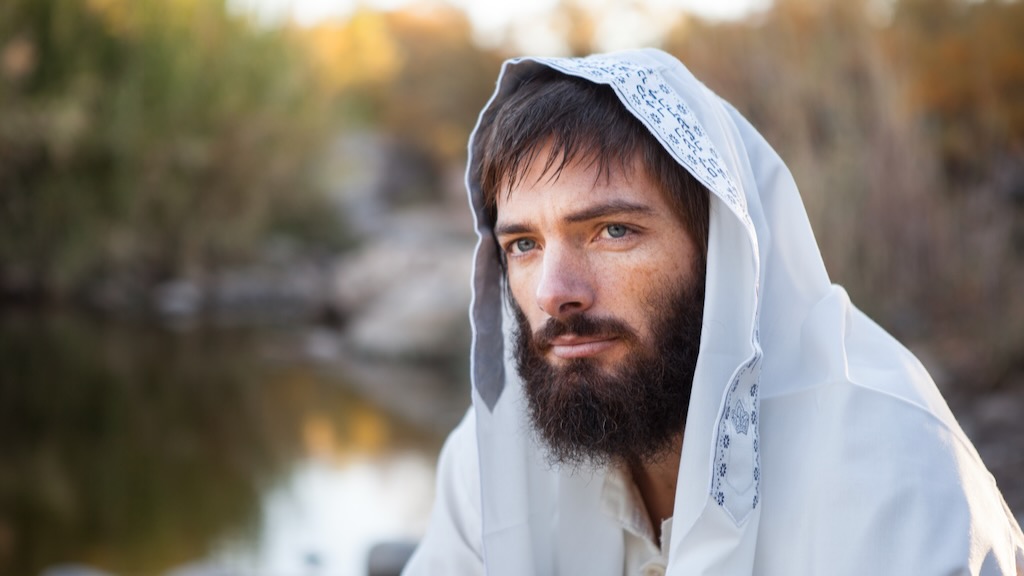
Running down the road, after a while I found a quiet spot under a fig tree. I spent the night there, tossed by all the thoughts one could have. I felt unsure of what followed me — a blessing or a curse.
One thing I knew for sure: I was not a deceiver. Was I the one being deceived?
Next morning I knelt under that fig tree and prayed with everything I had:
God Almighty, let your ear be open to my plea. We’ve been here for many days, and we’ve done all that your servant the Baptist has said. We want to follow: let your kingdom come!
Lord, your servant has proclaimed that your Anointed One is in our midst. I’ve only seen him from afar. What can I say? Forgive me if I’m wrong, but John himself looks more like the Messiah to me than the man he pointed to. Is he truly your Chosen One?
How will we know — and when?
My God, I don’t want to be deceived. If we’re meant to follow this man, please give me a sign, the way only you can. Tomorrow we head home. Let us go with your confirmation, one way or another.
Thank you, Lord, for hearing me, for seeing me, unworthy man that I am.
‘We have found the One!’
I don’t know how long I’d been kneeling, when I heard movement behind me. I always hate being caught mid-prayer.
It was Philip, breathless, with news on his lips:
‘We have found the one Moses wrote about in the Law, and about whom the prophets also wrote!’
My face probably said something like: What? Really? . . . I had no way of knowing that when Andrew and John had come back later the day before, they’d practically been flying. Andrew had run straight to his brother Simon: ‘We have found the Messiah.’ And he brought him to the man.
The next day, as the man was leaving to head north, he found Philip and simply said, ‘Follow me!’
Amazingly, Philip did.
But not without finding me first, since it was our last day in Judea, before heading to Cana.
So here he was, telling me about the one Moses and the prophets had written of. So far, so good. Then it hit me, and it was harder than anything.
Reading the question in my eyes, he pushed on telling me the man’s name: ‘Jesus of Nazareth, the son of Joseph.’
That was too much. Way too much! I was from Cana of Galilee, two hills over from Nazareth. I couldn’t help myself:
‘Nazareth! Can anything good come from there?’
Philip knew exactly what I meant.
Everyone in Galilee looked down on Nazareth. The Scriptures never once mentioned the village. It was the last place you’d expect a prophet to come from, let alone the Messiah.
Believing John the Baptist when he said the Messiah was somewhere among us had already stretched me.
Now a Messiah from Nazareth sounded like a farce. Either everyone was deluded, or someone was messing with my faith.
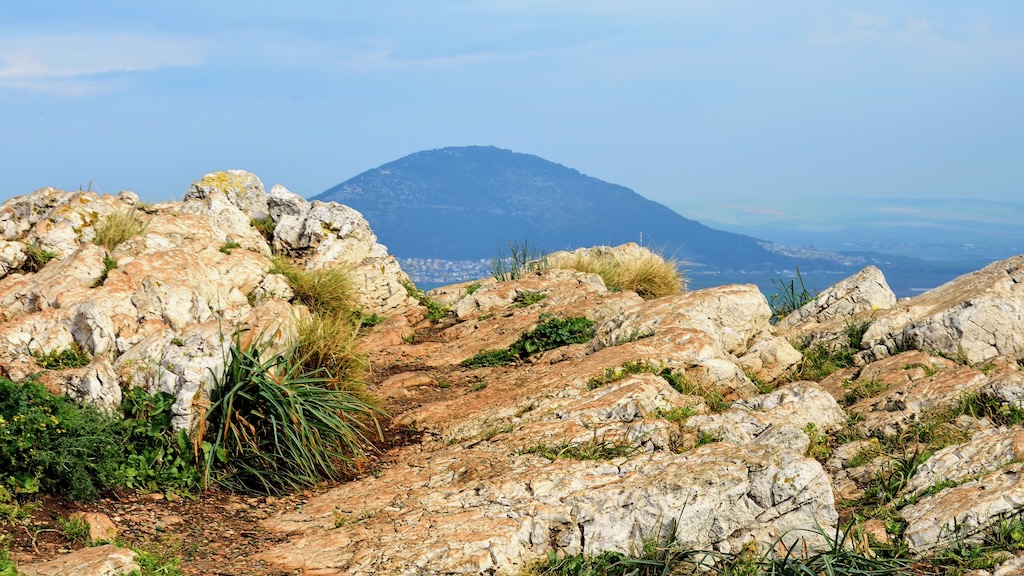
Surprisingly, Philip didn’t argue. That was a first for him. He simply said: ‘Come and see!’ and turned back the way he came.
Seen, not found
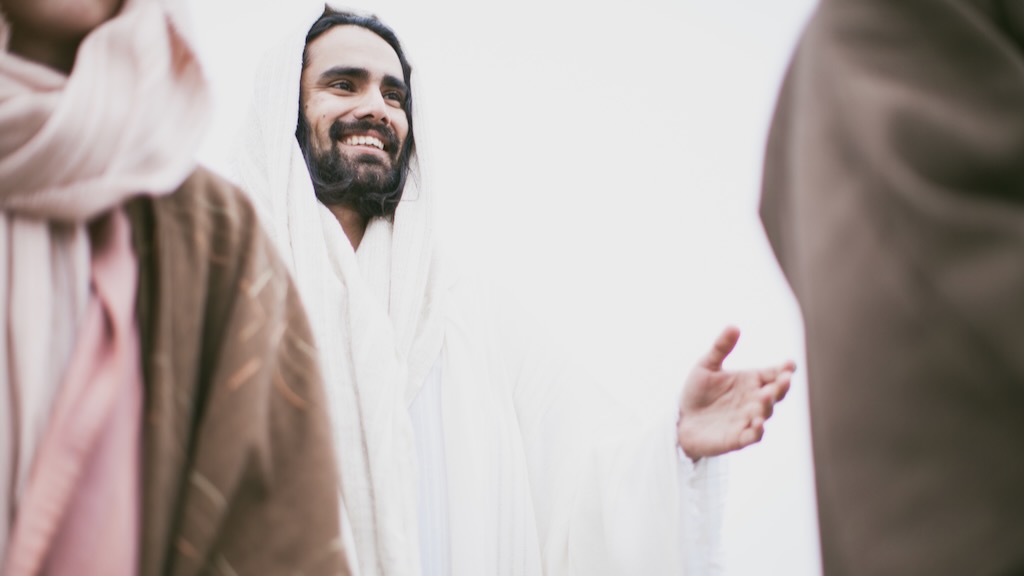
Being a common-sense guy, I gathered my things and followed, though everything in me was shouting don’t go. Each step seemed an eternity, and I felt deceived — by the Baptist, by my friends, even by my own prayer. As I approached the group, this Jesus, as Philip called him, turned and looked at me before I’d said a word:
‘Here truly is an Israelite in whom there is no deceit.’
You don’t say. Thank you for the compliment, but why? Anyone could say something like that just to make a stranger feel welcome. So I asked bluntly:
‘How do you know me?’
He answered with a quiet, knowing smile: ‘I saw you while you were still under the fig tree before Philip called you.’
I had to swallow hard.
Did I hear that right? This man had never seen my face. Not once. And the fig tree prayer had happened way before Philip had even reached me. This Jesus says he saw me. And I was there! How would he know? He must know I prayed. Does
he know my prayer? My very words? About him?
For a second I was dumb-struck. God answered my prayer like He was there, under the same tree. I had to be honest with myself — whatever had been holding me back gave way all at once.
‘Rabbi’, I said reverently, ‘you are the Son of God; you are the king of Israel.’
He gently touched my shoulder: ‘You believe because I told you I saw you under the fig tree. You will see greater things than that.’
Then he continued the promise, ‘Very truly I tell you, you will see heaven open, and the angels of God ascending and descending on the Son of Man.’
I recognised the story at once — the book of Genesis, Jacob’s story. My story. Not willing to wait. Not trusting the promise. Always on the run. Seen by God in my hiding place, met in the open.
I had to follow. He hadn’t found me. He had seen me.
And he promised me greater things!

Saving the wedding
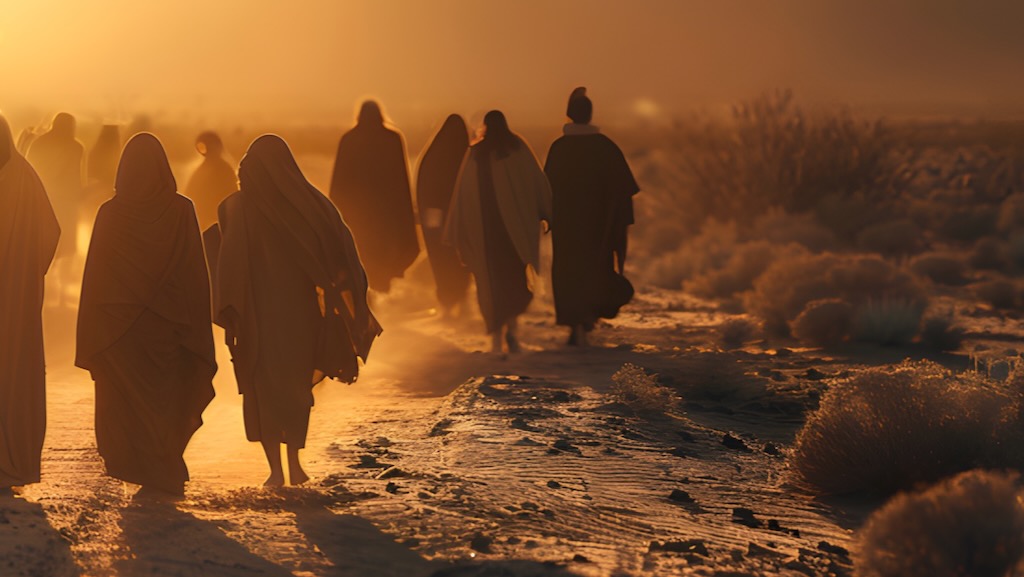
Soon I learned he was heading towards Galilee too. Nazareth, perhaps? I invited him to Cana first, thinking I could introduce him at the wedding, which must have already begun without us. I had the best excuse for my delay!
We decided we would all go there when Simon checked: ‘Do they have enough food for all of us?’ Andrew just grinned,
his broad shoulders shaking, while I looked at Philip. And he confidently confirmed.
Reaching the village, I led the way to the house. The bride was radiant, and Ruben was the happiest man I’d ever seen! Friends and family filled the days with music, laughter, old stories, new jokes, and plenty of food. After more than a week in the wilderness, everything we tasted here felt startlingly delicious.
Jesus himself seemed right at home. Small world, we learned his own mother, Mary, was here too, a relative to the bride’s family. For a moment I dreamed about my own wedding. I would like to have Jesus as a special guest!
About an hour later I sensed a quiet ripple of concern. Mary approached Jesus, sitting next to me, with some troubling news: ‘They have no more wine.’
Impossible, I thought. Indeed, we still had a couple of days to celebrate. But a wedding in our village was something we managed all the time. Had the wineskins broken? Had the wine they’d set aside gone bad? Or had the celebration simply drawn more guests than anyone planned for?
In the back of my mind I wondered: Is it because of the added guests I’d shown up with — those thirsty fishermen? Had some others come from Nazareth?
Running out of wine wasn’t just a terrible embarrassment; in our custom, it hung like a shadow over the new marriage.
It’s all my fault . . . I should have been here all the time. I started praying in my mind that Jesus would do something. Instead, he discreetly turned to Mary: ‘Woman, why do you involve me? My hour has not yet come.’ It sounded respectful, but firm. I couldn’t grasp what he wanted to say. Surely not rushing into it.
I simply braced for the awkward moment when everyone would find out. Yet Mary seemed to understand something I clearly missed. My ear heard her saying to the waiting servants, ‘Do whatever he tells you.’ That was confusing: would he do anything about it? And what could be done?
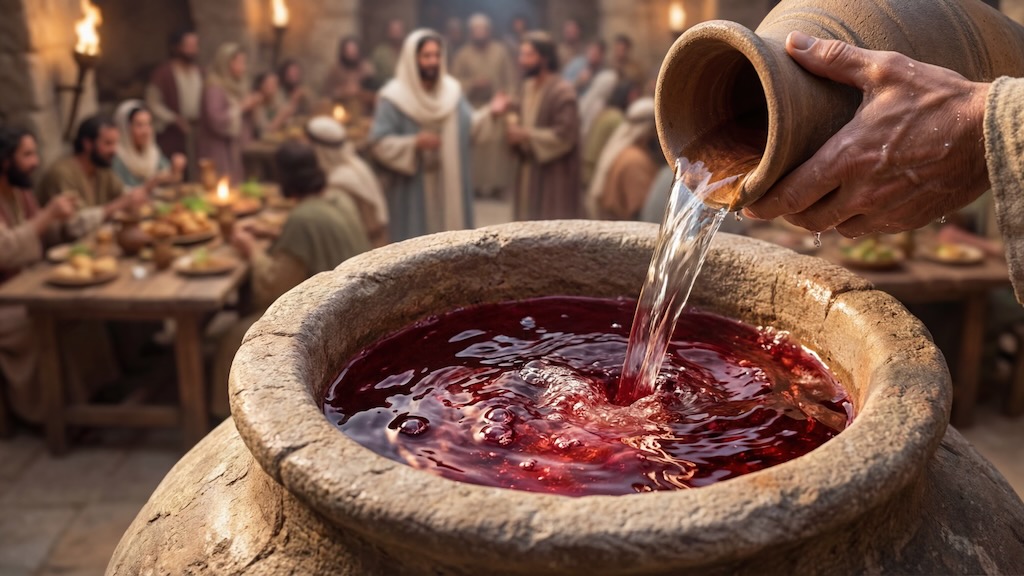
After a while I quietly left my place following Jesus to the back entrance, where six stone water jars stood nearby, the ones we used for ceremonial washing. ‘Fill the jars with water’, Jesus told the servants, and they filled them to the brim. Hundreds of litres. ‘Now draw some out’, he said, ‘and take it to the master of the banquet.’
I watched them do it: water went in, water only. Wine came out, pure wine, its fragrant aroma filling the air.
The best for last
The master of the banquet tasted it, not knowing where it had come from. It was amazing! Astonished, he called the bridegroom aside, half-joking:
‘Everyone serves the good wine first, and the cheaper wine after the guests have had plenty to drink. But you’ve saved the best for last.’
Some thought it was saved for the late-coming guests. Mary let out a sigh of relief, while Jesus acted like nothing happened!
I caught Ruben’s very surprised eye and I smiled in assurance, knowing exactly what had just happened behind the scenes. I had so much I wanted to tell him about the One who saved his wedding!
What Jesus did that day in Cana of Galilee was the first of his signs, an early glimpse of his glory. I couldn’t help wondering what he had saved for last.
He promised me greater things!
I followed him for three and a half years. And I witnessed so many people coming with their doubts, their fears, their needs and challenges. All aiming to see this man, to try Jesus. In their stories, I saw mine.
For your own journey, I can only say what I was told: 'Come and see!'